Private coaching · Toronto

Feel capable in your body—and confident in what you ask of it.

I help people perform at a higher level, recover after injury, move and feel better in daily life, and preserve the capacity to keep doing what matters to them.

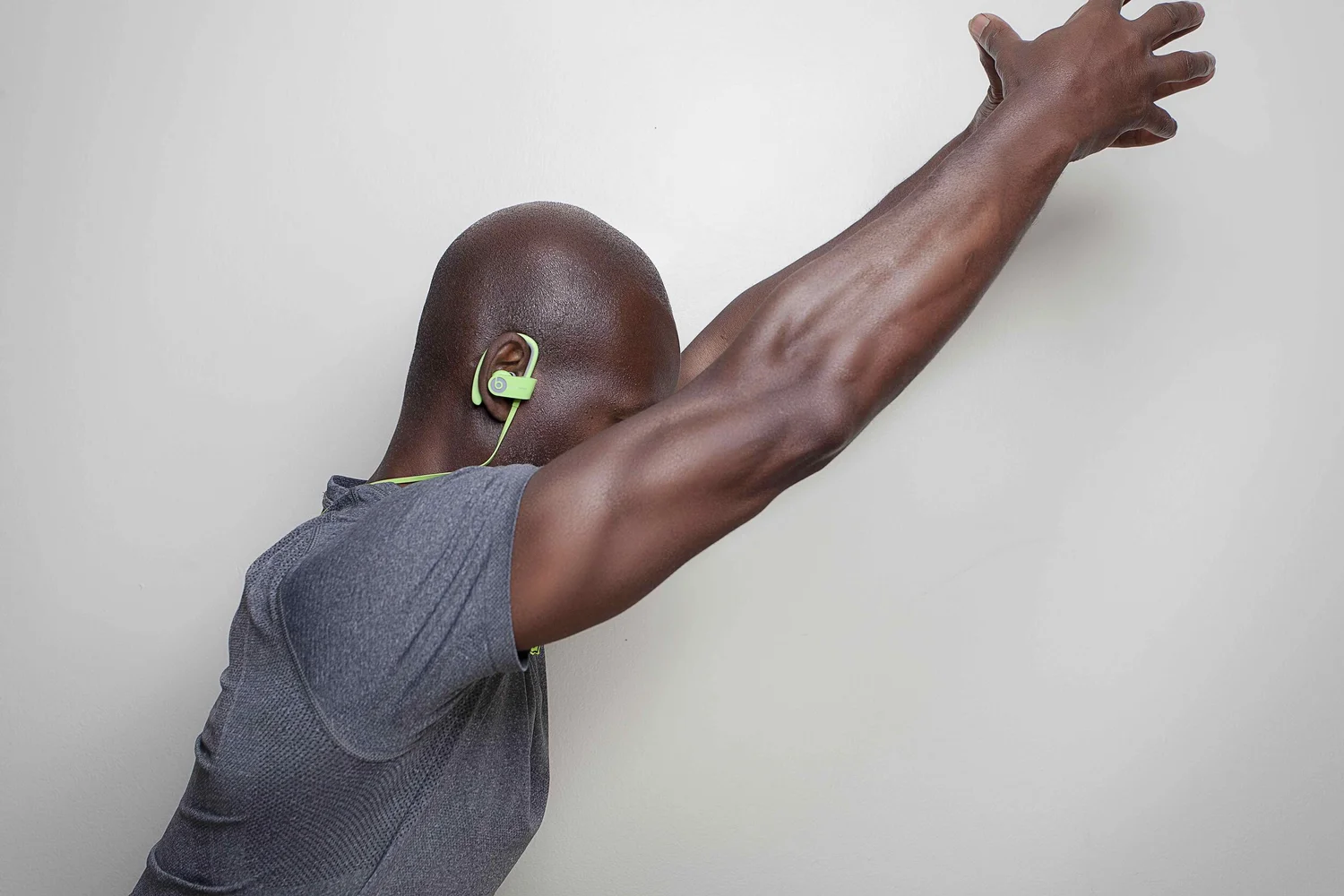
Devon McGregor demonstrating an integrated movement
One person.One history. One evolving plan.

Recovery is also a matter of trust.

People recovering from injury often tell me they feel as though they have let their bodies down. The loss is not only physical. They may question which sensations to trust, hesitate before movements that once felt natural or become uncertain about what their bodies can handle.

Recovery asks someone to rebuild a relationship with their body—and, just as importantly, to trust themselves with it again. We earn that confidence gradually through understanding, appropriate challenge and repeated evidence of what is becoming possible.

Different objectives.
A thoughtful way forward.

No objective is treated as more worthy than another. Performance, recovery, everyday ease and long-term capacity all begin by understanding what matters to the person.

The Champion’s Mindset

01

Perform at a higher level

Athletes, executives and other high performers need the physical and mental capacity to meet greater demands without losing quality, awareness or the ability to recover.

02

Recover with confidence

Pain, injury or a long period of limitation can change how someone moves and how they think about moving. We rebuild understanding, capability and earned confidence.

03

Move and feel better every day

Easier movement, useful strength and greater physical confidence can change how someone works, travels, plays and participates in family life.

04

Preserve long-term capacity

The objective is not to resist time. It is to keep as many meaningful choices as possible within reach as life, priorities and the body change.

The body can become a laboratory for leadership.

Athletes and executives operate in different arenas, but both must perform under pressure, make decisions when demands are high, adapt and recover from mistakes.

Executive life creates pressure, but it rarely allows us to isolate that pressure, study our response and try again. Training does.

I initiate physical challenges that are manageable, controllable and progressively more demanding.

Within that environment, an executive can observe what happens when discomfort rises. Do they rush? Hold their breath? Lose focus? Become rigid? Or can they remain curious enough to adapt?

The objective is not to manufacture exhaustion or prove toughness. It is to practise meeting stress with greater awareness and to develop mental tools that can inform how someone leads, communicates and makes decisions under pressure.

01

Stress response

Notice what changes when discomfort and demand begin to rise.

02

Judgment

Practise maintaining attention, pacing and clear decisions under load.

03

Adaptation

Adjust to new information without abandoning the larger intention.

04

Recovery

Learn to regain composure and quality after effort, error or disruption.

Champions are not people who never struggle. They learn how to respond when circumstances become difficult, then carry that knowledge into the next demand placed upon them.

Explore the Champion’s Mindset for organizations

I do not coach an abstract body. I coach the person in front of me.

Movement, strength, mobility, breathing and recovery strategies are tools I can draw upon. None of them becomes the point. The point is to determine what this person needs now.

01

Understand the person

I listen to the history, observe how the body organizes itself and understand what the person’s life asks of them now.

02

Build in the right order

P.A.S.S.E.S.—Position, Alignment, Stability, Strength, Endurance and Speed—helps me decide what deserves attention next.

03

Adapt as capacity grows

The plan evolves as the person does. Progress changes what becomes possible, so we continue to observe, challenge and refine.

Methods matter, but they remain tools. The person always comes first.

“Devon’s ability to tailor a program not only for my body type or my sport, but precisely for me personally, is what sets him apart.”

TJ Galiardi10-year professional hockey career

If someone suggested we should speak, begin there.

Most private coaching relationships begin through a personal referral or introduction. That first connection leads to a conversation about what brought someone to me, what they want back or want more of, and what may be standing in the way.

We do not need to know the final answer on the first day. We need an honest understanding of where the person is and a useful place to begin.

If this way of working speaks to what you need, you are also welcome to introduce yourself.

Introduce yourself devon@devonmcgregor.com